Wildlife & Biodiversity
Indian Softshell Turtle: The Elusive Survivor of South Asian Waters
Exploring the remarkable adaptations, freshwater habitats and conservation challenges of India’s softshell turtles.
Himal Shahi Thakuri · Oct 27, 2026 · 4 min read
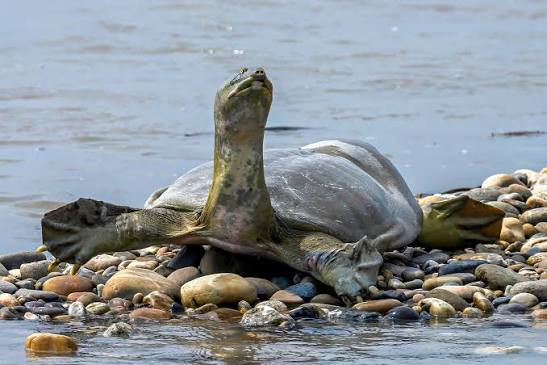
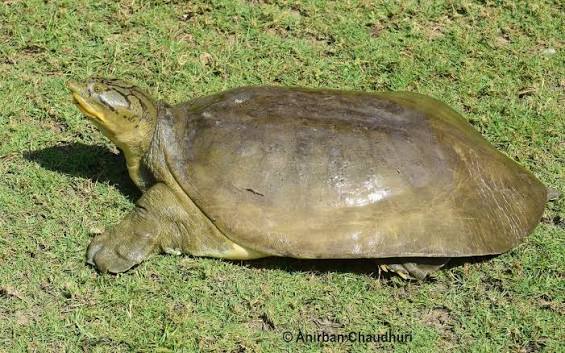
A softshell turtle in the freshwater environment it depends on for survival. · Google
Indian Softshell Turtle: The Elusive Survivor of South Asian Waters
Beneath the calm surfaces of rivers and ponds across the Indian subcontinent, a remarkable reptile moves quietly through the water. The Indian softshell turtle is known for its flattened body, flexible shell and specialised adaptations that help it thrive in aquatic environments.
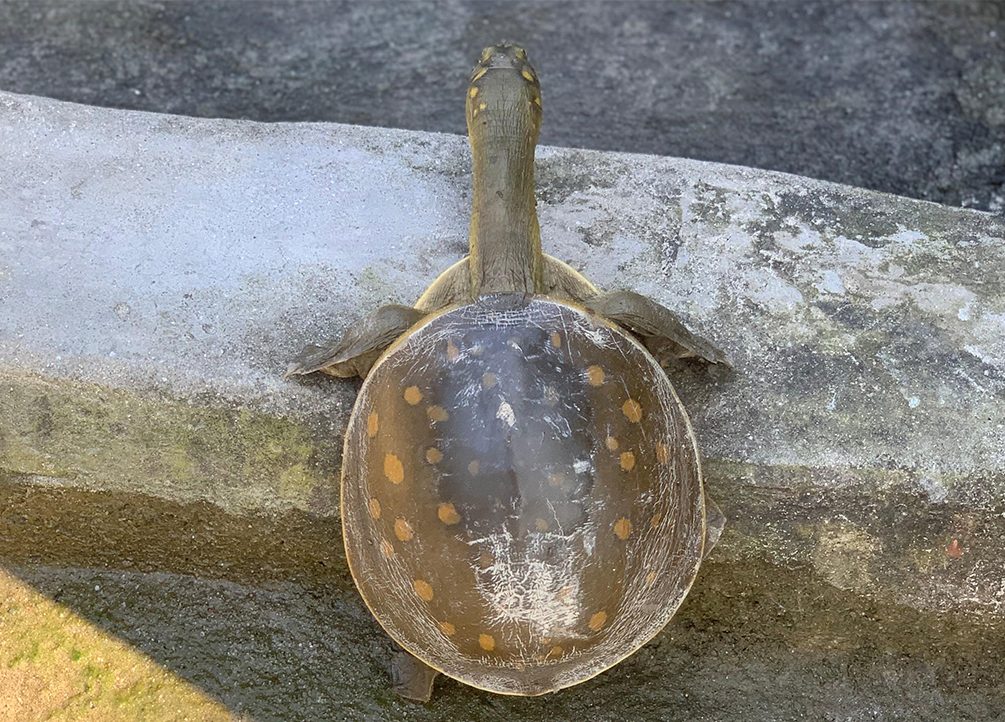
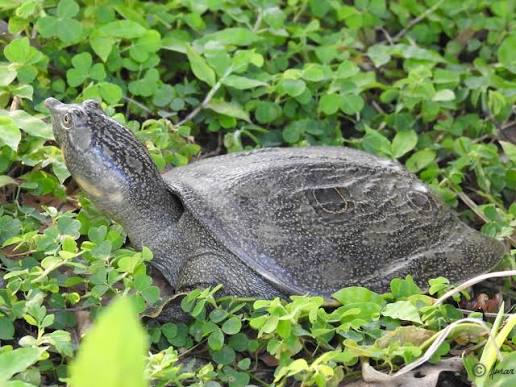
Unlike many familiar turtles with hard, domed shells, softshell turtles have a smooth, leathery covering that gives them a distinctive appearance. Their unusual anatomy reflects millions of years of adaptation to life in freshwater habitats.
A Remarkable Adaptation to Aquatic Life
The softshell turtle’s body is designed for life in water. Its flattened shape helps it move through aquatic environments, while its long, narrow snout allows it to breathe at the surface without exposing much of its body.
Many softshell turtles can bury themselves in sand or mud, leaving only parts of their head exposed. This behaviour helps them remain concealed while waiting for prey or avoiding disturbance.
Their streamlined bodies and webbed feet also support efficient movement through the water. Together, these features make softshell turtles highly specialised members of freshwater ecosystems.
Where Do Indian Softshell Turtles Live?
Softshell turtles associated with the Indian subcontinent inhabit a variety of freshwater environments, depending on the species. These may include rivers, lakes, ponds, wetlands and slow-moving waterways.
Suitable habitats provide access to food, places to shelter and appropriate areas for nesting. Sandy or muddy riverbeds can be particularly important for species that spend much of their time partially buried beneath the sediment.
The condition of these habitats plays a significant role in their survival. Pollution, changes in river flow and the destruction of riverbanks can affect the resources these reptiles need.
Feeding Habits and Their Role in Nature
Softshell turtles are generally carnivorous, although their diets vary by species and habitat. They may feed on fish, aquatic invertebrates, crustaceans and other available animal prey.
As part of freshwater food webs, these turtles interact with other aquatic organisms and contribute to the ecological relationships that shape their environments.
Observing them in the wild can be difficult because they often remain submerged or concealed. Their secretive behaviour is one reason these reptiles are less familiar to many people than birds or larger terrestrial wildlife.
Threats Facing Freshwater Turtles
Despite their remarkable adaptations, softshell turtles face growing pressures in many parts of South Asia.
Habitat degradation, water pollution, fishing-related mortality and the modification of natural waterways can threaten local populations. In some areas, turtles are also affected by illegal collection and trade.
The loss of suitable nesting sites is another concern. When riverbanks are developed or disturbed, turtles may have fewer opportunities to reproduce successfully.
Because the conservation status and main threats differ between species, effective protection depends on accurate identification, local research and targeted conservation measures.
Why Freshwater Conservation Matters
Rivers and wetlands support far more than turtles alone. They provide habitats for fish, amphibians, birds, aquatic plants and countless other organisms.
Protecting these ecosystems benefits entire communities of wildlife. Maintaining clean water, preserving natural riverbanks and reducing harmful fishing practices can help create healthier conditions for freshwater species.
Public awareness also matters. Learning about lesser-known reptiles encourages people to appreciate the biodiversity found beyond forests and grasslands.
Indian Softshell Turtles and Nepal’s Biodiversity
Nepal’s rivers, ponds and wetlands form an important part of the country’s natural heritage. These freshwater environments support diverse aquatic life and connect ecosystems across the lowland Terai and other regions.
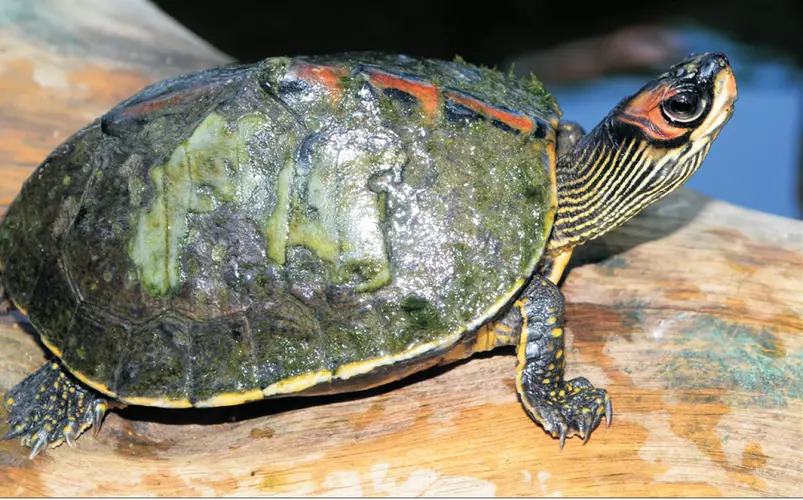
However, the term “Indian softshell turtle” may refer to different species or be used inconsistently in common names. Any claim about a particular species occurring in Nepal should be supported by reliable distribution records or expert identification.
Responsible wildlife photography and accurate reporting can help readers understand these animals without confusing similar-looking species.
Protecting a Hidden Part of Our Natural World
The future of softshell turtles is closely tied to the future of freshwater ecosystems. Protecting waterways, preserving nesting habitats, improving fishing practices and preventing illegal wildlife collection are important steps towards their conservation.
These reptiles may spend much of their lives out of sight, but their ecological importance should not be overlooked. Their survival depends on the continued health of the rivers and wetlands they call home.
Conclusion
The Indian softshell turtle represents the remarkable diversity of freshwater wildlife in South Asia. Its specialised body, aquatic lifestyle and close dependence on healthy waterways make it a compelling subject for anyone interested in nature and conservation.
By protecting freshwater habitats and supporting accurate wildlife research, we can help safeguard these elusive reptiles and the ecosystems that sustain them for generations to come.