Wildlife & Biodiversity
Indian Peacock Softshell Turtle: A Hidden Treasure of South Asia’s Freshwaters
Discover the remarkable freshwater turtle, its distinctive appearance, and the conservation challenges facing softshell turtles in South Asia.
Himal Shahi Thakuri · Oct 27, 2026 · 4 min read
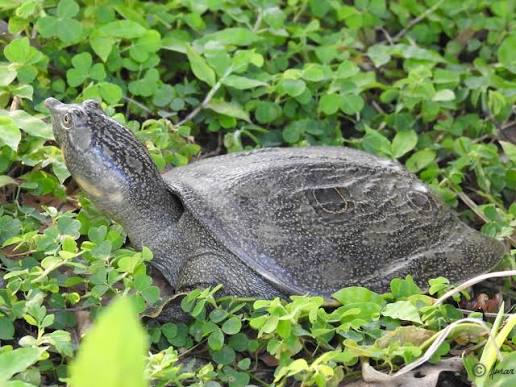
A remarkable softshell turtle adapted to life in South Asia’s freshwater ecosystems. · Google
Indian Peacock Softshell Turtle: A Hidden Treasure of South Asia’s Freshwaters
Freshwater ecosystems are home to some of the most remarkable wildlife on Earth. Beneath the reflections of trees and the gentle movement of river currents, turtles have evolved extraordinary adaptations that allow them to thrive in aquatic environments. Among these fascinating reptiles are the peacock softshell turtles, known for their unusual shells, streamlined bodies and close relationship with freshwater habitats.
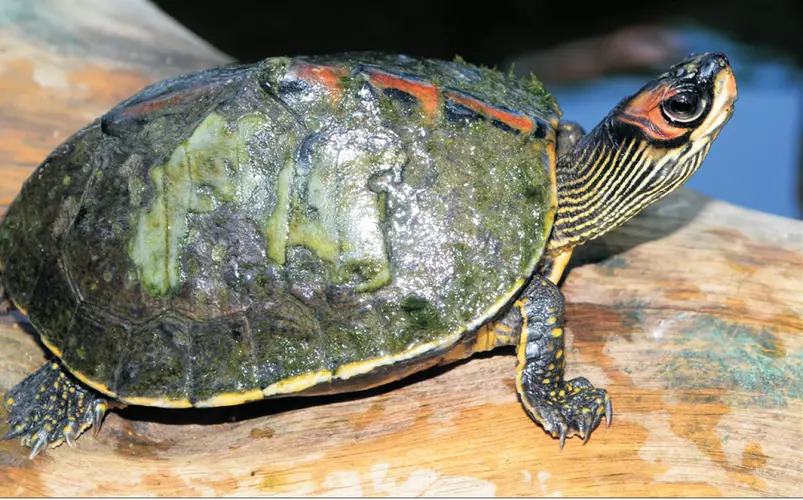
The name “Indian peacock softshell turtle” can be used informally for turtles associated with the Indian subcontinent, but common names are not always consistent. Identifying the exact species is important because several Asian softshell turtles have similar appearances and overlapping regional names.
A Turtle Unlike Most Others
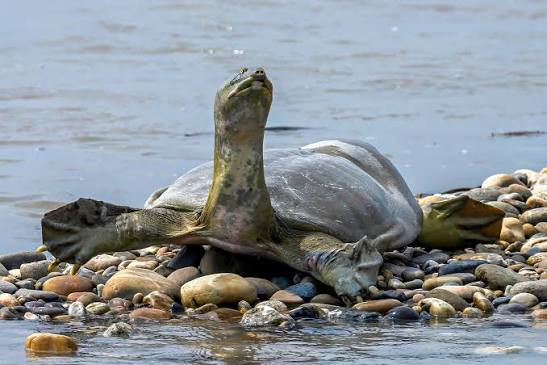
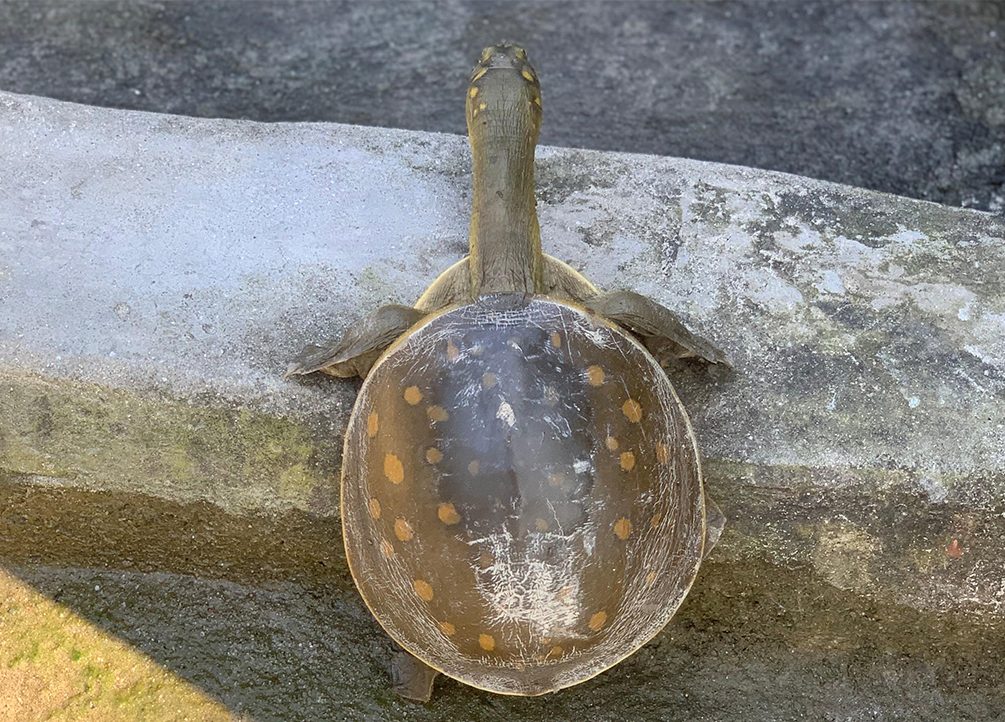
Unlike the hard, domed shells of many familiar turtles, softshell turtles possess a relatively flat, flexible, leathery covering. Their smooth bodies and long, narrow snouts help distinguish them from many other freshwater turtle species.
These adaptations support an aquatic lifestyle. Their flattened shape allows them to move efficiently through water, while their ability to bury themselves in soft sediment helps them remain concealed from potential threats.
Depending on the species, softshell turtles may also display distinctive patterns or markings across the head and shell. Such features can make them particularly interesting subjects for wildlife photographers and researchers.
Life Beneath the Water
Softshell turtles are closely associated with freshwater environments, including rivers, streams, ponds and other suitable aquatic habitats. Many prefer areas with soft sandy or muddy bottoms where they can partially bury themselves.
They are generally more secretive than many land-dwelling reptiles. Rather than remaining constantly visible, they may spend considerable time submerged, emerging or moving through their habitat when conditions are favourable.
Their diet varies by species and may include aquatic invertebrates, fish and other small animals. As predators within freshwater food webs, they form part of the complex ecological relationships that keep these environments functioning.
Why Freshwater Habitats Matter
Healthy rivers and wetlands support an extraordinary range of life. They provide food, shelter and breeding areas for reptiles, fish, amphibians, birds and countless other organisms.
For softshell turtles, the condition of the surrounding habitat is especially important. Water quality, suitable nesting areas and access to undisturbed riverbanks can influence their ability to survive and reproduce.
When freshwater ecosystems are damaged, the effects extend beyond a single species. The entire network of organisms that depends on these environments can be affected.
Conservation Challenges
Freshwater turtles across South Asia face a range of pressures. Depending on the species and location, these may include habitat degradation, water pollution, fishing-related deaths, river modification and illegal collection for trade.
Sand extraction and construction along riverbanks can also alter important aquatic and nesting habitats. Because many turtles are slow to mature and reproduce, the loss of adult animals can have lasting effects on their populations.
Protecting these reptiles requires more than simply safeguarding individual animals. Conservation efforts must also consider the rivers, wetlands and nesting sites that sustain them.
Responsible wildlife observation, habitat protection, scientific research and public awareness can all contribute to better outcomes for freshwater turtle populations.
The Importance of Protecting Nepal’s Aquatic Wildlife
Nepal is internationally recognised for its rich biodiversity, from the forests of the Terai to the high-altitude landscapes of the Himalayas. Its rivers, lakes, ponds and wetlands also provide important habitats for aquatic wildlife.
However, the presence and conservation status of any particular softshell turtle species in Nepal should be confirmed through reliable species records and expert identification. A photograph or local name alone may not be enough to establish the exact species.
For wildlife enthusiasts, this uncertainty is part of the importance of careful observation. Accurate identification, responsible photography and sharing verified information help improve public understanding without spreading misleading claims.
A Future for Freshwater Turtles
The survival of freshwater turtles depends on the health of the ecosystems they inhabit. Cleaner waterways, protected riverbanks, responsible fishing practices and stronger enforcement against illegal wildlife trade can help reduce some of the pressures these animals face.
Every protected wetland and every restored stretch of river contributes to a broader effort to conserve aquatic biodiversity.
The peacock softshell turtle serves as a reminder that some of nature’s most extraordinary animals remain largely hidden from view. Protecting their habitats ensures that these ancient reptiles—and the freshwater ecosystems they represent—continue to have a place in South Asia’s natural heritage.
Conclusion
Freshwater turtles are more than fascinating reptiles; they are part of the living heritage of rivers and wetlands. Learning to identify them accurately, understanding the challenges they face and protecting their natural habitats are essential steps towards conserving South Asia’s remarkable biodiversity.
By paying closer attention to the life beneath the water’s surface, we can better appreciate why healthy freshwater ecosystems deserve our protection.