
I Went to Bardia to See Wildlife. I Came Back Thinking Differently.
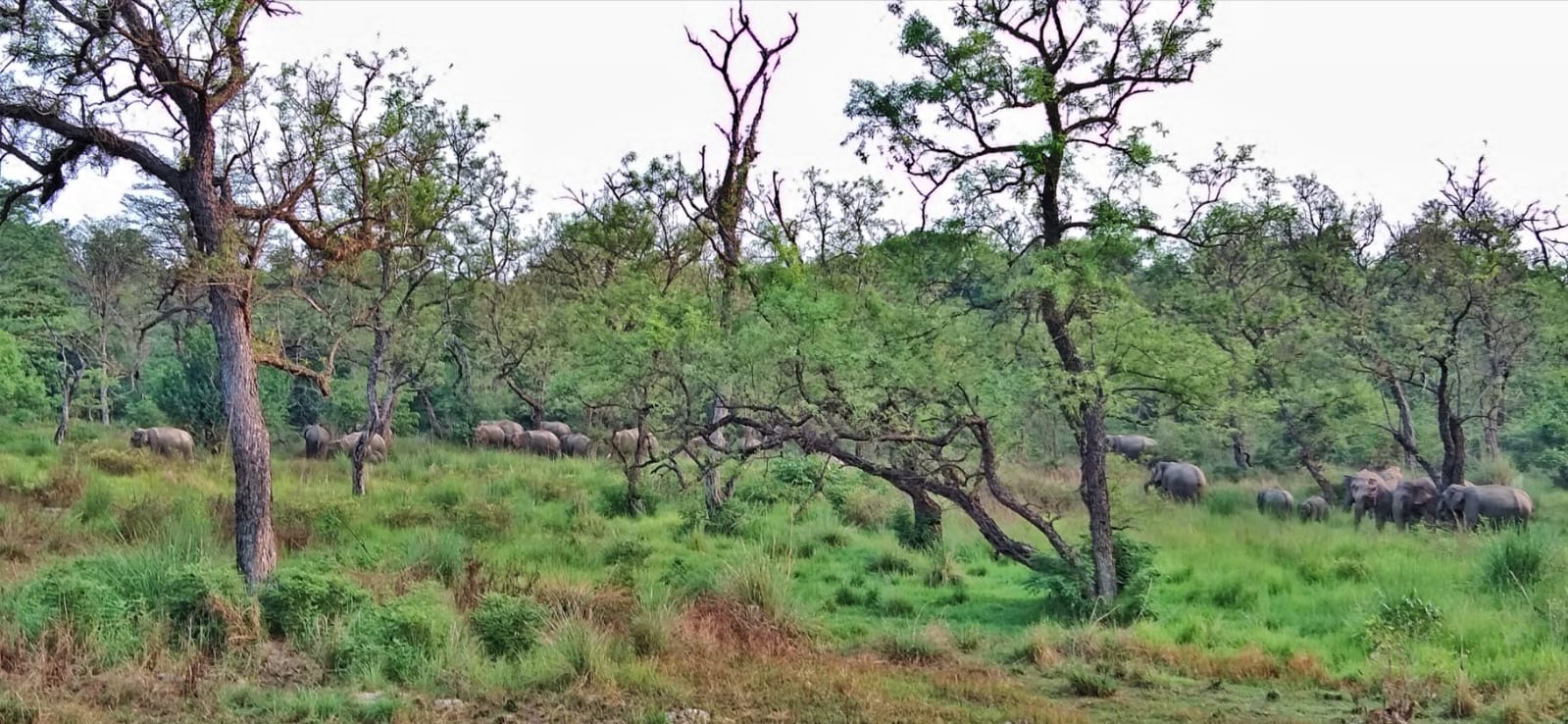
The Day I Met the Wild Elephants of Bardiya
I still remember how excited I was to see wild elephants in their natural home. Until then, much of what I knew about wildlife came from photographs, videos, and the things I had heard from others. I knew elephants were magnificent animals, but I had not fully understood what it meant to encounter them in the wild.
As I grew older, learning from a professional wildlife guide slowly changed the way I looked at nature. I began to understand that there was much more to wildlife than simply seeing an animal or taking a beautiful photograph. There were behaviours to learn, sounds to recognise, and lives unfolding in the forest that most visitors might never fully understand.
Then, during my time in Bardiya, Nepal, I had the good fortune to encounter a herd of wild elephants.
I was overwhelmed by the moment. My camera became my first instinct. I wanted to capture as many photographs as possible because I knew I was experiencing something special. I watched the elephants move together, listened to the sounds around me, and tried to take in everything happening before my eyes. There was so much to notice that I hardly knew where to look first.
Looking back, I think I was so busy trying to preserve the moment through my camera that I was still learning how to experience it with my own eyes. I wanted to take the photographs home with me, but the experience itself was something no photograph could completely capture.
The elephants continued moving through their habitat, following their own rhythm. They had no reason to notice me or understand my excitement. I was the visitor in their world, lucky enough to witness a small part of their lives.
That thought stayed with me.
My guide had taught me to pay attention to the wildlife around me, but being there helped me understand why that knowledge mattered. Wild animals are not here for our entertainment, and forests are not simply destinations for travellers. They are living homes, and every animal deserves the freedom to live without unnecessary disturbance.
Since that encounter, I have thought more about what it means to photograph wildlife and share its beauty with others. I want people to discover the incredible natural heritage of Nepal, but I also want them to understand why it deserves protection. A photograph can introduce someone to an animal they have never seen before. Perhaps it can also inspire them to care about the future of that animal and the forest it calls home.
When I think about the wild elephants of Bardiya, I feel grateful that I had the opportunity to witness them. I may have arrived with a camera and the excitement of someone eager to capture a beautiful moment, but the experience gave me something more lasting: a deeper appreciation for the wild and the importance of protecting it.
I hope future generations will have the same opportunity—to enter Nepal's forests, discover their wonders, and encounter wildlife living freely in its natural home.
Because the real value of such an encounter is not measured by the number of photographs we take. It is found in what we learn, what we remember, and what we choose to protect long after we have left the forest.