Wildlife & Biodiversity
Gharial Crocodile: The Rare Guardian of Nepal’s Rivers
Discover the extraordinary gharial, its fish-catching snout, life along Nepal’s rivers and the urgent conservation efforts protecting this critically endangered reptile.
Himal Shahi Thakuri · Oct 27, 2026 · 8 min read
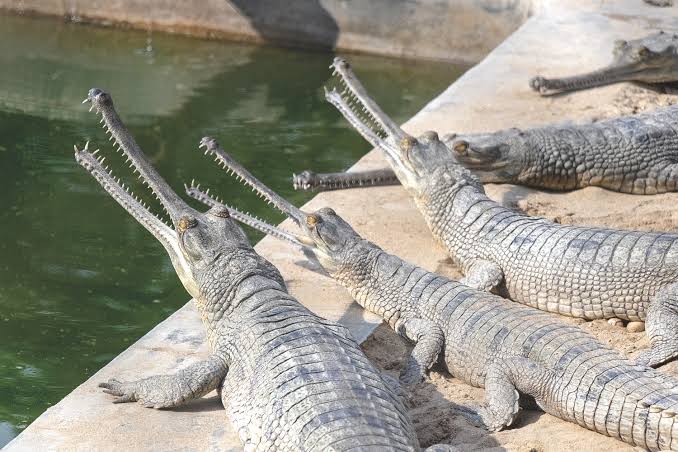
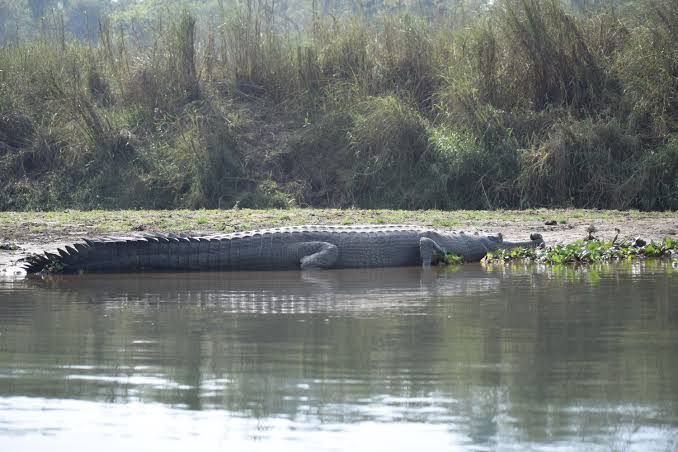
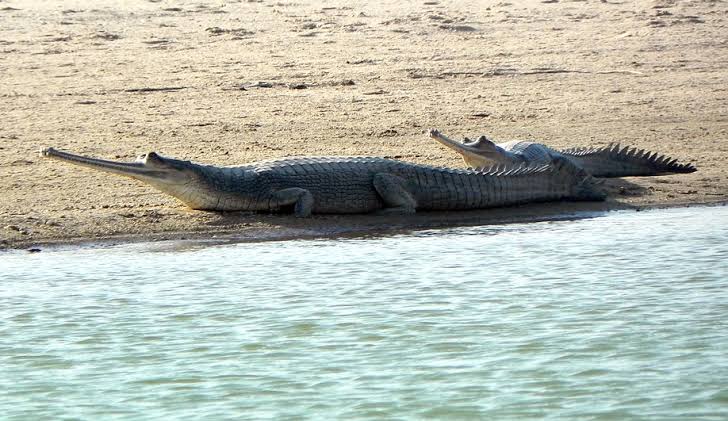
The gharial is a critically endangered crocodilian recognised by its exceptionally long, narrow snout. · Google
Gharial Crocodile: The Rare Guardian of Nepal’s Rivers
Along the great rivers of the Indian subcontinent, a remarkable reptile moves through the water with a shape unlike that of almost any other crocodilian. Its long, slender snout, narrow jaws and streamlined body reveal an animal highly specialised for life in rivers. This is the gharial, scientifically known as Gavialis gangeticus, one of South Asia’s most distinctive and threatened reptiles.
Although it is often called the gharial crocodile, the gharial is a crocodilian in its own right and belongs to a different family from true crocodiles and alligators. Its extraordinary appearance is not simply unusual; it reflects millions of years of adaptation to an aquatic lifestyle.
Today, the gharial is classified as Critically Endangered on the IUCN Red List. Its survival depends on the protection of suitable rivers, healthy fish populations and the sandy banks required for nesting. Nepal is particularly important to this conservation story, offering some of the remaining habitats where gharials continue to survive and reproduce.
A Snout Unlike Any Other
The gharial’s most recognisable feature is its exceptionally long, narrow snout. Unlike the broad jaws of the mugger crocodile, this specialised structure is adapted primarily for catching fish.
Its slender shape reduces resistance as the animal moves its head through water. Numerous sharp teeth help it grip slippery prey, making fish the central part of its diet.
Adult males develop an additional feature that makes the species even more distinctive. At the tip of the snout, males grow a rounded growth known as a ghara, named after a traditional Indian pot. This structure develops as the animal matures and is associated with courtship and vocal signalling.
The ghara makes mature males relatively easy to distinguish from females at close range. Females do not develop the same prominent structure.
The gharial’s narrow jaws are highly specialised, but they also mean that its feeding adaptations differ from those of broad-snouted crocodilians. Its anatomy reflects a close relationship with river habitats and a diet dominated by aquatic prey.
A Life Shaped by Rivers
Gharials are strongly associated with freshwater river systems. They prefer suitable stretches of large rivers with relatively deep water, sandbanks and nearby areas where they can rest.
The combination of flowing water and exposed sandy banks is particularly important. Rivers provide feeding grounds, while sandbanks offer places for basking and nesting.
Unlike some crocodilians that readily occupy a wide range of wetlands and artificial water bodies, gharials have more specialised habitat requirements. Changes to river flow, the removal of sandbanks and disturbance along riverbanks can therefore have serious consequences.
Gharials spend much of their lives in the water. Their streamlined bodies and powerful tails help them swim efficiently, while their relatively weak limbs are better suited to moving on land over short distances than to travelling extensively across it.
When resting on a sandbank, gharials may stretch out in the sun to regulate their body temperature. These quiet periods are an important part of their daily routine.
What Does the Gharial Eat?
Fish form the principal part of the gharial’s diet, which is one reason its snout differs so dramatically from that of other crocodilians.
Rather than relying on the broad, general-purpose jaws of a mugger crocodile, the gharial uses its narrow snout and interlocking teeth to catch fish in the water. It may use quick movements of its head and jaws to seize prey.
Young gharials also feed on small aquatic animals, with their diet changing as they grow. Their feeding habits remain closely connected to the availability of prey in their river habitat.
Healthy fish populations are therefore essential to gharial conservation. When rivers become polluted, fish numbers decline or aquatic ecosystems are disrupted, gharials can lose an important source of food.
Protecting the gharial consequently means protecting the wider river community, including fish, aquatic invertebrates and the habitats that support them.
Reproduction and the Sandy Riverbanks
Gharial reproduction depends heavily on suitable nesting sites. Females typically lay their eggs in sandy banks close to the river, where the nest provides an environment for incubation.
Nesting seasons vary with local conditions, but breeding activity is generally associated with the warmer months in much of the species’ range.
After laying eggs, females may remain near the nesting area and later attend to hatchlings. The eggs and young are vulnerable to flooding, predators, human disturbance and changes in river conditions.
Sand extraction and riverbank development can reduce the availability of suitable nesting sites. Even where adult gharials survive, a shortage of safe nesting areas can limit the number of young that successfully enter the population.
This is one reason conservation programmes monitor nesting banks and breeding activity rather than focusing exclusively on counting adult animals.
Successful reproduction is essential for the long-term survival of this critically endangered species.
Why Is the Gharial Critically Endangered?
The gharial once occupied a much wider range of river systems across South Asia. Today, its distribution is far more restricted, and many historical populations have disappeared or become severely depleted.
Several factors have contributed to its decline.
River modification can alter the deep-water channels and sandy banks that gharials need. Dams and other water infrastructure may change natural flow patterns, while sand mining can damage nesting habitats.
Fishing activities can also create risks. Gharials may become entangled in fishing nets, leading to injury or death. Declining fish populations and water pollution can further weaken the ecosystems on which they depend.
Disturbance along riverbanks may affect basking and nesting behaviour. Because gharials have specialised habitat requirements, even changes affecting a relatively small part of a river can have significant consequences for local populations.
Conservation requires coordinated action to address these pressures, protect important river stretches and support the recovery of breeding populations.
Nepal’s Important Role in Gharial Conservation
Nepal is a significant stronghold for gharial conservation. The species occurs in parts of the country’s southern river systems, particularly within protected landscapes associated with Chitwan National Park and Bardia National Park.
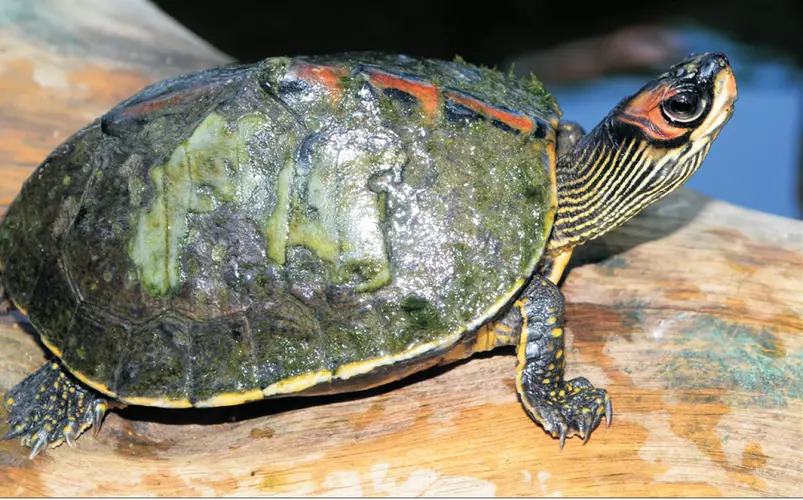
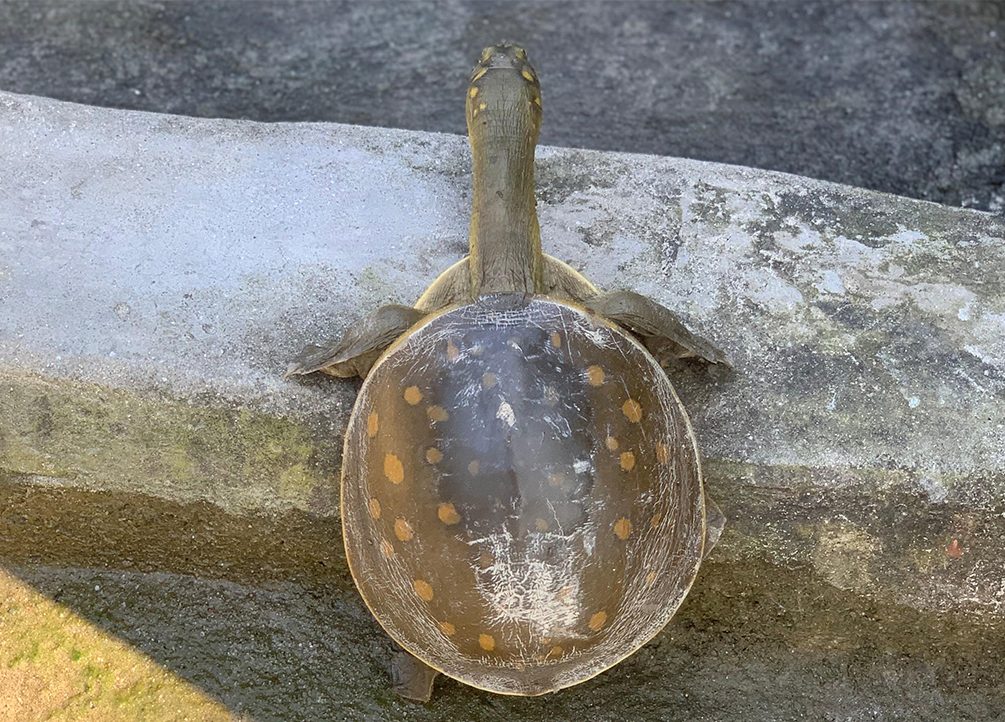
The Narayani–Rapti river system around Chitwan is especially important to Nepal’s freshwater biodiversity. These rivers support a variety of aquatic wildlife, including fish, turtles, waterbirds and crocodilians.
Gharial conservation in Nepal has included captive breeding, the release of young animals into suitable rivers and monitoring of wild populations. Such programmes aim to strengthen populations while protecting the habitats needed for long-term survival.
However, releasing captive-bred gharials is not enough on its own. Young animals must find sufficient food, suitable habitat and safe conditions in which to mature. River protection and the reduction of threats remain essential.
For wildlife enthusiasts visiting Chitwan, the gharial represents an extraordinary part of the region’s natural heritage. Responsible observation from authorised locations can help people appreciate the species without disturbing its habitat.
Gharial and Mugger: Understanding the Difference
The gharial and the mugger crocodile both occur in South Asia, and both are important members of freshwater ecosystems. However, their physical features and ecological requirements differ significantly.
The gharial has an extremely long, narrow snout adapted mainly for catching fish. The mugger crocodile has a broader snout and a more varied diet that may include fish, amphibians, reptiles, birds and mammals.
Their habitat preferences also differ. Gharials are particularly associated with suitable river environments, whereas mugger crocodiles can occupy a broader range of freshwater habitats, including ponds, lakes and marshes.
Recognising these differences helps wildlife observers identify animals correctly and understand why conservation strategies must be tailored to each species.
Both crocodilians deserve protection, but the gharial’s critically endangered status and specialised river requirements make its conservation especially urgent.
Protecting Rivers for Future Generations
The future of the gharial is inseparable from the health of South Asia’s rivers. Protecting nesting banks, maintaining suitable water conditions, reducing harmful fishing practices and conserving fish populations can all contribute to its recovery.
Local communities are important partners in this work. People who live and work beside rivers often have valuable knowledge of seasonal changes, wildlife movements and the pressures affecting aquatic habitats.
Conservation efforts are most effective when scientific research, protected-area management and community participation work together. Education can also help people understand why a specialised reptile with such an unusual appearance deserves attention and protection.
Healthy rivers benefit far more than gharials. They support drinking water, agriculture, fisheries and a wide variety of wildlife. Protecting them is therefore both an ecological priority and an investment in the natural resources on which communities depend.
Conclusion: A Future Worth Protecting
The gharial is one of the most extraordinary reptiles of South Asia. Its long, narrow snout, fish-catching adaptations and close association with rivers distinguish it from other crocodilians.
Yet its future remains uncertain. Habitat loss, fishing-related mortality, changing river conditions and the decline of suitable nesting areas continue to threaten the species.
Nepal’s conservation work demonstrates the importance of protecting remaining river habitats and supporting the recovery of wild populations. Continued research, responsible tourism and cooperation with local communities can help ensure that these efforts make a lasting difference.
The gharial is more than a rare crocodilian. It is a reminder that the survival of specialised wildlife depends on the ecosystems that sustain it. By safeguarding rivers and the life within them, we can help preserve one of South Asia’s most remarkable natural treasures.