Wildlife & Travel
Bird Watching in Nepal: Where to Go, When to Go and What You’ll See
Himal Shahi Thakuri · Oct 25, 2026 · 6 min read
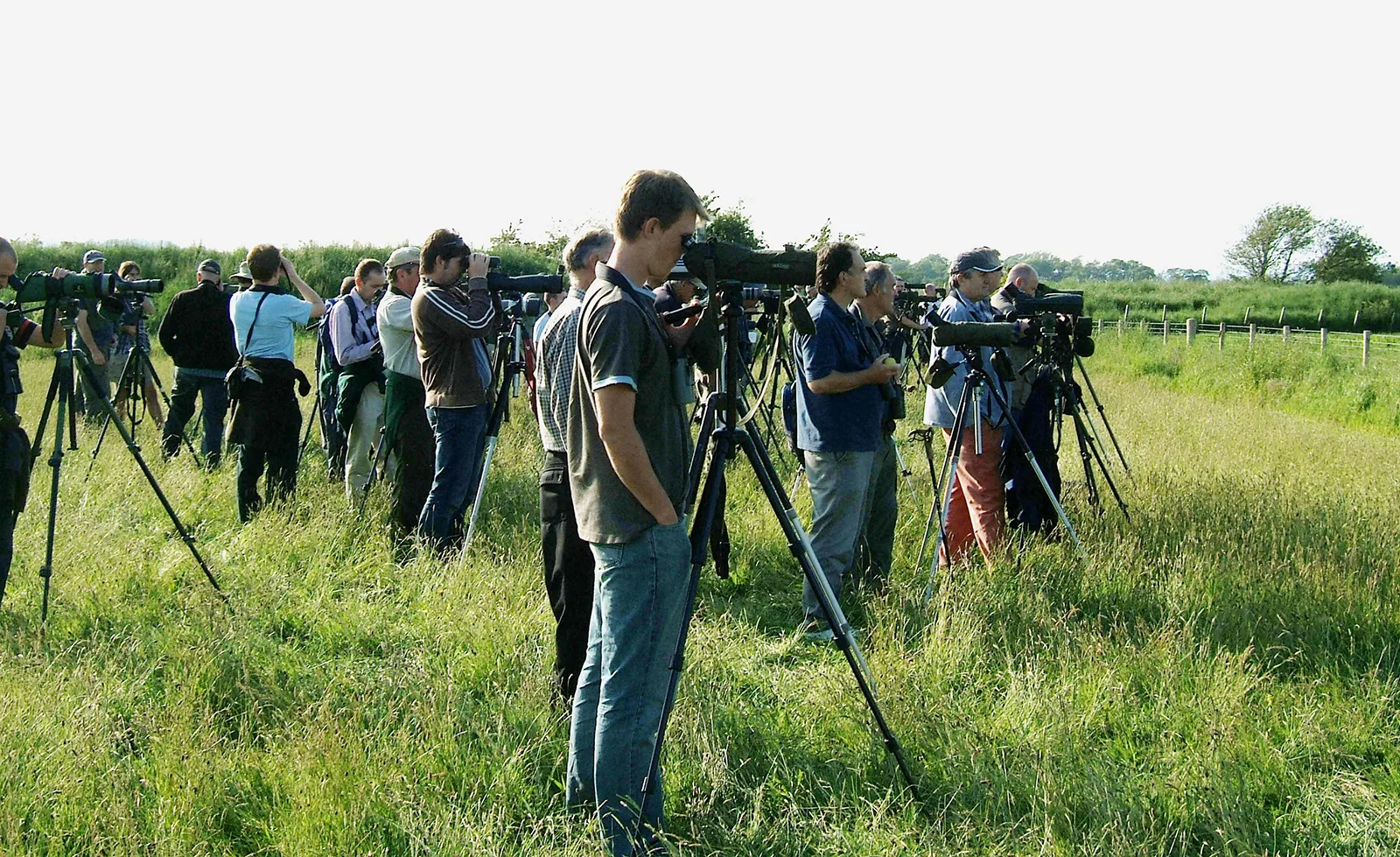
Nepal looks tiny on the map. You could fit it inside many countries and barely notice. But ask any birder, and they’ll tell you it feels enormous. In a few hundred kilometers the land climbs from steamy jungle plains to frozen Himalayan peaks, and every step up brings a new set of birds. More than 850 species have been recorded here, which is remarkable for a country this size.
The best part is that you don’t need to be an expert, or travel for weeks, to enjoy it. Some of Nepal’s best birds are waiting just outside Kathmandu.
The Bird Every Nepali Knows
Let’s start with the national bird, the Danphe, also called the Himalayan monal. If you see a male in the early morning sun, you’ll understand why Nepal chose it. Its feathers flash blue, green, purple and copper, as if someone dusted it with jewels. The female is plain brown, but the male is hard to forget.
The Danphe lives high in the mountains, on rocky slopes and in oak and rhododendron forests, in places like Sagarmatha, Langtang, Annapurna, Rara and Dhorpatan. Go early, when it comes out onto open ground to feed. Seeing one is a highlight of any trip, and many birders say it was the moment their journey was worth it.
Koshi Tappu: Where the Trees Are Full of Birds
If you only have time for one place, make it Koshi Tappu Wildlife Reserve in the eastern Terai. Rivers, mudflats and grasslands spread out here, and in winter it fills with birds that have flown in from as far away as Siberia. At times the trees look so packed with birds that they seem to be posing for a photograph.
Ducks, geese, waders and rare species like the Bengal florican, swamp francolin and ibisbill all pass through. It is a recognized Ramsar wetland, and you may also spot wild water buffalo and, with luck, the Gangetic dolphin. Most visitors explore with a local guide, on foot, by jeep or by boat.
Chitwan and Bardiya: Jungle Birding
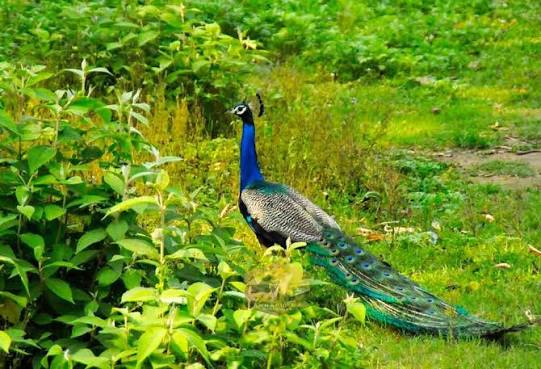
Most people go to Chitwan for rhinos and tigers, but birders know it for something else. With hundreds of species living across river, forest and grassland, you can see kingfishers, hornbills, peafowl, storks and the delicate paradise flycatcher before breakfast. Canoe rides and jungle walks with resort naturalists make it easy even for beginners.
Bardiya, further west, is quieter and wilder. It gets fewer visitors, so the birding feels more private. Storks, cranes, hornbills and raptors are common along the Karnali River, and nearby Shuklaphanta is great for grassland birds.
Birdwatching Without Leaving Kathmandu
This surprises many travelers: you can have a great birding day without leaving the valley.
Phulchowki, the highest hill around Kathmandu, has oak and rhododendron forests packed with colorful birds like laughingthrushes, barbets and minivets. Godavari is gentler and perfect for beginners. Nagarjun, inside Shivapuri Nagarjun National Park, is a forested ridge close to the city and a good place to look for the spiny babbler, Nepal’s only endemic bird. And in winter, Taudaha Lake on the way to Dakshinkali fills with migratory waterfowl.
Pokhara, Annapurna and the High Himalaya
Pokhara’s lakes, Phewa and Begnas, attract kingfishers, cormorants and herons, while the forests around town are full of song. Go higher into the Annapurna region, and you’ll find pheasants, thrushes, redstarts and big raptors circling above the valleys. In spring, the trek to Annapurna Base Camp passes through blooming rhododendron forests that ring with birdsong.
In the Everest and Langtang areas the birds get tougher and more dramatic. Vultures, eagles and the huge lammergeier glide on the thermals, while snow pigeons, choughs and blood pheasants pick their way across the rocks. Watching them against a wall of snow peaks is something you don’t forget.
So, When Should You Go?
This is the question everyone asks, and the honest answer is that Nepal is good almost any time. But each season has its own character.
March to April is what many birders call the best time of all. Birds are in their brightest plumage, males are singing and showing off, and the hills are covered in blooming rhododendrons. You get the widest variety of species, plus beautiful scenery.
October to November is nearly as good. The monsoon has washed the air clean, the skies are clear, the weather is pleasant and the first migrants arrive. It is also the best time for mountain views.
December to February is the season for migratory waterbirds. Koshi Tappu, Chitwan’s rivers and Taudaha are at their busiest, and the lowlands are mild and comfortable. The high mountains are very cold, so stick to lower areas.
June to August, the monsoon, is the hardest time. Rain, leeches and landslides make travel difficult. Rain-shadow regions such as Upper Mustang can still be rewarding, but most visitors wait for drier months.
If you want just one rule: go in March–April or October–November for variety, and December–February for migratory birds. And whatever the season, start at sunrise. The first two or three hours of the morning are when birds are most active and the light is at its best.
A Few Things I’d Tell a Friend
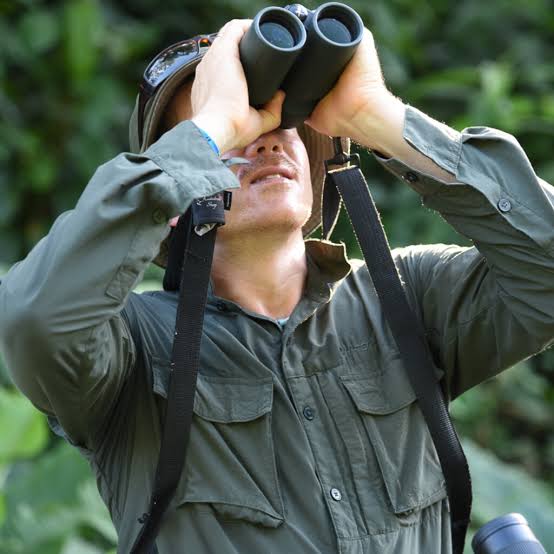
Hire a local guide if you can. A good naturalist can identify a bird from its call before you’ve even raised your binoculars, and most resorts can arrange one. Pack binoculars (8x42 is a solid choice), wear earth-toned clothes and bring layers, because mountain mornings are cold even when afternoons are warm.
Keep a respectful distance from nests, skip the flash and don’t overuse recorded calls to lure birds out. Remember that national parks and conservation areas need permits, and trekking regions need extra ones. Bird Conservation Nepal also runs walks and counts that welcome visitors, which is a great way to meet local birders.
Why It Matters
Nepal’s birds face real pressure from habitat loss, drained wetlands, poisoning and climate change. Vultures nearly vanished from South Asia because of a veterinary drug called diclofenac, and Nepal’s ban on it, along with protection and feeding programs, has helped. When you stay in community lodges and hire local guides, your trip helps protect the places these birds depend on.
Final Thoughts
Few places let you watch a hornbill in the jungle in the morning, a Danphe on a mountain slope a few days later and ducks from Siberia on a winter lake. Add warm people, good food and Himalayan views, and Nepal becomes more than a checklist. Whether you’ve watched birds for forty years or you’ve just picked up your first pair of binoculars, the trails here will find you something new.