Travel & Destinations
Are You Planning to Visit Pokhara in 2027? The Complete Guide to Nepal’s Lake City
Himal Shahi Thakuri · Oct 25, 2026 · 10 min read
Imagine waking up before sunrise, wrapping yourself in a blanket and watching a wall of white mountains turn pink, then gold, while a still lake below you holds the whole scene like a mirror. Now imagine that this happens from a hilltop that is only a short drive from a town where you can eat fresh fish, drink good coffee and take a boat out before lunch.
That is Pokhara. If you are planning a trip to Nepal in 2027, this is the place that makes people stay longer than they planned.
Why Pokhara?
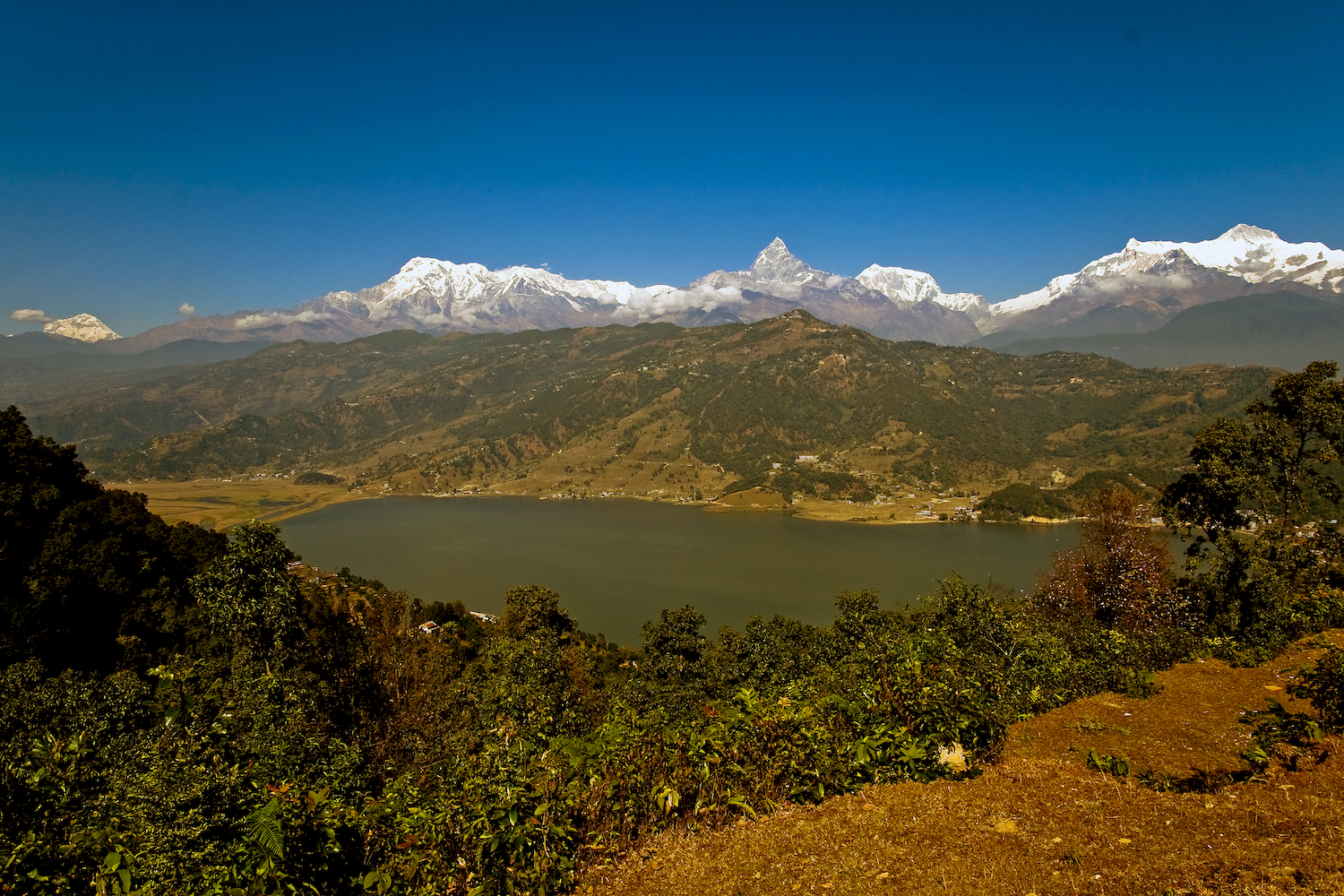
Most travelers come to Nepal for the mountains, and Pokhara is the closest you can get to them without trekking. The town sits at only about 820 meters above sea level, yet the Annapurna range rises behind it to more than 8,000 meters. Few places in the world have such a steep jump between a warm lakeside and giant snow peaks, all visible from the same street.
The most famous peak is Machhapuchhre, the “Fishtail,” whose twin summit looks like a fish tail from Pokhara. At almost 7,000 meters, it is sacred, and climbing it is not permitted. Behind it are Annapurna I, Dhaulagiri and Manaslu, which you can often see on clear mornings.
Pokhara is also relaxed. Kathmandu is loud and exciting, but Pokhara breathes. It is where people unwind after a trek, start one, learn to paraglide or do absolutely nothing beside a lake.
Getting There
By air: Flights from Kathmandu take about 25 to 30 minutes, and the views of the Himalaya from the window are worth the ticket alone. Sit on the right side when flying from Kathmandu to Pokhara for the best mountain views. Pokhara also has a new international airport, which opened in 2023. International services have been limited, so check the latest flight list before you plan a direct route.
By road: The drive from Kathmandu is about 200 kilometers and usually takes 6 to 8 hours, depending on traffic and weather. Tourist buses are the cheapest option, and private cars or shared tourist vans are more comfortable. The road follows the Trishuli and Marsyangdi rivers and passes villages, terraces and gorges, so go by road at least once if you have time.
The Lake That Defines Pokhara
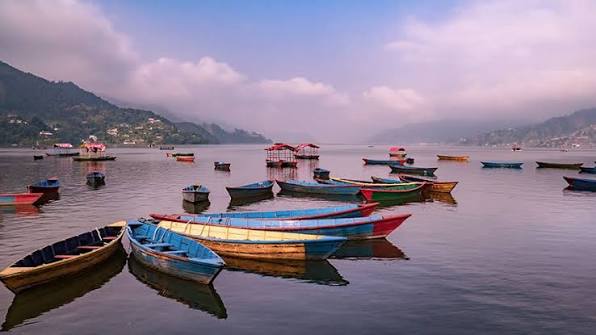
Phewa Lake is the heart of the city. It is Nepal’s second-largest lake, and the Lakeside district along its eastern shore is packed with cafes, guesthouses, bookshops and trekking agencies.
Rent a wooden boat and row yourself out. In the middle of the lake you will see the white Tal Barahi Temple, built on a small island and dedicated to the goddess Barahi. Local families come here to offer flowers and sweets, and the sound of temple bells drifting across the water is one of Pokhara’s quiet pleasures.
Go early, before the wind rises. The mountain reflections are clearest then, and the lake feels like it belongs to you.
Pokhara has other lakes, including Begnas and Rupa, which are calmer, less crowded and surrounded by green hills. Begnas has a lovely lakeside walk, and fresh fish is easy to find nearby. If Phewa feels busy, escape here for the day.
Sunrise at Sarangkot
If you do only one early morning in Pokhara, do it at Sarangkot. This hilltop, at about 1,600 meters, is the classic sunrise point. You can drive up, take a taxi in the dark or hike from the lake, which takes a couple of hours.
When the first light touches Machhapuchhre and the Annapurna range, the whole sky changes. Vendors sell hot tea and coffee, and everybody falls silent for a moment. Clear mornings in the dry season are the best. In monsoon or hazy weather, the mountains can hide.
Fly Like a Bird: Paragliding in Pokhara
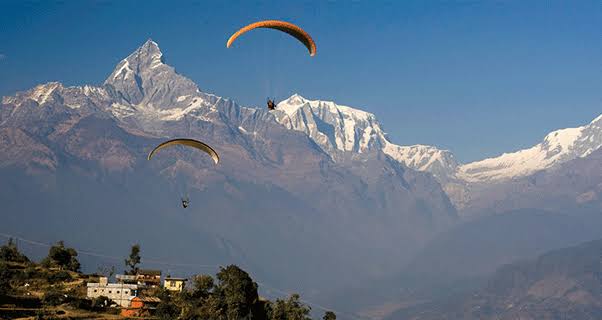
Pokhara is one of the best places in the world to paraglide, and one of the most affordable. You take off from Sarangkot and glide over the lake with a trained pilot. Flights usually last from about 20 minutes to over half an hour, depending on the weather and thermals.
It is gentle and safe when done with a licensed pilot and a reputable company. Choose a company that is registered, uses well-maintained gear and has experienced tandem pilots. Do not pick the cheapest price. Morning flights are best because the air is calmer and the views are clearest.
For something more daring, Pokhara also offers ultralight flights over the Himalaya, zip-lining from the hills near Sarangkot (known as one of the longest and steepest in the world), bungee jumping and canyoning in the nearby gorges. Prices and operators change, so confirm details with your hotel or a trusted agency.
Temples, Caves and Waterfalls
Pokhara has a surprising amount to explore without ever leaving town.
World Peace Pagoda (Shanti Stupa): A gleaming white stupa on a ridge across the lake, built by Japanese Buddhist monks. You can hike or take a boat and walk up. At sunset, the lake and mountains look golden from its terrace.
Davis Falls (Patale Chhango): A waterfall that disappears into a deep underground gorge. It is dramatic during the rainy season, and a small park surrounds it.
Gupteshwar Mahadev Cave: A sacred cave near Davis Falls that holds a Shiva shrine. Inside, you can walk down to a spot very close to the underground waterfall.
Mahendra Cave and Bat Cave: Limestone caves north of town that are good for a short, quirky outing. Bring a flashlight and good shoes.
Seti Gorge: The Seti River flows through narrow, deep canyons right inside the city. A short walk or a viewpoint shows how deep it cuts. It is startling to see how a river can hide beneath a busy town.
International Mountain Museum: A fascinating place about Himalayan peaks, climbers and the cultures of mountain people. If you plan to trek, visit this museum first and you will understand the landscape far better.
Treks That Start in Pokhara
Pokhara is the gateway to some of the world’s best treks, and you can choose anything from a quick 2-day walk to a multi-week journey.
Poon Hill (Ghorepani) Trek: About 4 to 5 days. It is one of Nepal’s most popular short treks, famous for rhododendron forests and a spectacular sunrise from Poon Hill, with Annapurna and Dhaulagiri in full view. A great first Himalayan trek.
Annapurna Base Camp (ABC): About 7 to 10 days. This walks you right into the heart of the Annapurna Sanctuary, a natural amphitheater of giant peaks. Challenging but achievable for reasonably fit hikers.
Mardi Himal Trek: About 5 to 7 days. A quieter ridge walk with outstanding views of Machhapuchhre. It has grown in popularity but is still less crowded than ABC.
Annapurna Circuit: Often 12 days or more. A classic that crosses the high Thorong La pass. Parts of the route now have roads, so many trekkers shorten it or combine sections.
Short options: If you have only one or two days, try Panchase Hill, Australian Camp or a day walk to Dhampus, where the views are beautiful and the paths are gentle.
All Annapurna-region treks need permits, usually an Annapurna Conservation Area permit and possibly local fees. Rules and prices change, so check with your agency or the Nepal Tourism Board before you go. Hire a licensed guide or porter if you can, because it supports local families and improves safety.
What to Eat in Pokhara
Food is one of the real joys here. Lakeside has restaurants for every budget, serving everything from wood-fired pizza to Tibetan, Indian and Western dishes. But do not miss the local flavors.
Order a Nepali thali (dal bhat), a plate of rice, lentils, vegetable curry, pickle and sometimes meat or fish, with refills offered until you say stop. Try momos, the steamed dumplings that Nepalis eat like snacks, and thukpa, a warm noodle soup that tastes especially good after a cold morning. Thakali food, from the Thakali people of the Kali Gandaki valley, is outstanding, and dhido (a thick millet or buckwheat porridge) is a mountain classic.
Because of its lakes, Pokhara is known for fresh fish, often served fried or in curry. And do not skip the local coffee and tea, which taste better with a view.
A Simple 3-Day Plan
Day 1: Lakes and sunset. Start with a slow morning on Phewa Lake, row out to Tal Barahi, then walk Lakeside for lunch. In the afternoon, visit Davis Falls and Gupteshwar Cave. Finish with sunset at the World Peace Pagoda.
Day 2: Sunrise and sky. Wake early for Sarangkot sunrise. Come down for breakfast, then go paragliding in the morning when the air is smooth. In the afternoon, visit the International Mountain Museum and the Seti Gorge.
Day 3: Quiet side and a short walk. Spend the day at Begnas Lake or take a day hike toward Dhampus or Australian Camp. Finish with a long dinner on the lakefront. If you have more time, this is when to start a trek.
Best Time to Visit Pokhara in 2027
Pokhara is lovely in many seasons, but the weather matters because clear skies decide whether you see the mountains.
March to May (spring): Warm days, blooming rhododendrons in the hills and good mountain views, though it can get hazy and hot in May. A great time for trekking and paragliding.
October to November (autumn): The most popular season. After the monsoon, the air is washed clean, the skies are blue and the mountains are sharp. Dashain and Tihar fall around this time, and the town is lively but busy, so book early.
December to February (winter): Cool mornings and mild days. The views can be stunning, but high-altitude trekking is very cold, and fog sometimes sits over the lake.
June to September (monsoon): Pokhara is one of the wettest places in Nepal, with very heavy rain. The hills are bright green and prices drop, but mountain views are often hidden, and trekking is difficult because of leeches and landslides.
Best overall: October–November and March–April.
Planning Tips for 2027
Popular months fill up fast, especially around autumn festival time, so book accommodation and flights several weeks ahead. Festival dates change every year with the Nepali lunar calendar, so check the 2027 dates for Dashain and Tihar if you plan to visit in autumn.
Always keep some flexibility in your schedule. Mountain flights and roads can be delayed by weather, and Pokhara rewards people who are not in a hurry.
Bring cash in Nepali rupees. ATMs are common in Lakeside, but they may run out or fail, and small shops often prefer cash. Carry a reusable water bottle and use filtered water refill stations where available, which helps reduce plastic waste. Dress in layers, because mornings and evenings are cool even when days are warm.
Respect local culture. Dress modestly at temples, remove shoes where asked and ask before photographing people. Choose locally owned hotels, guides and restaurants whenever possible so your money stays in the community.
Prices for hotels, permits, flights and activities change every year. Treat any number you read online, including on this page, as a rough guide, and confirm before you book.
Final Thoughts
Some places impress you with size, others with silence. Pokhara does both. It gives you giant mountains and a gentle lake, adventure and rest, local food and warm people, all in one valley.
If you are planning to visit Pokhara in 2027, give it more time than you think. Take one early morning for Sarangkot, one afternoon on the water and one long evening with nothing to do. Those are the moments you will remember.